


58% pre-consumer cotton waste blended with recycled synthetic fibre, 37% recycled plastic bottles, and 5% reclaimed elastane - 100% reclaimed inputs. Pre-consumer cotton waste comes from cutting room offcuts generated during conventional garment production: material that would otherwise go to landfill with no commercial recovery value.
Revive Sweat
Revive Sweat
100% Reclaimed Materials, 320 GSM, GRS Certified
Regular price
£12.00 GBP
Regular price
Sale price
£12.00 GBP
Free delivery over £80
GRS
Certified
13.94 KG
CO2 Emissions Saved
57%
Pre-Consumer Fabric Waste
0%
Dyes
Couldn't load pickup availability
About this garment
About this garment
Impact per garment
Impact per garment
Material specs
Material specs
Made in our factory
Made in our factory
We own our factory in Tiruppur, India. This garment is made in-house with no blind spots in the supply chain. Tiruppur is India’s textile capital. We’ve been here long enough to know which corners get cut. Our’s don’t.
Delivery
Delivery
We ship within the UK only. Standard delivery arrives within 7 days.
Returns
Returns
Returns are accepted within 30 days of receipt. Return postage is at the customer’s cost. Items must be unworn and in original condition. To initiate a return, contact support@ecojay.eco


About the material
Recycled cotton - reclaimed, not extracted.
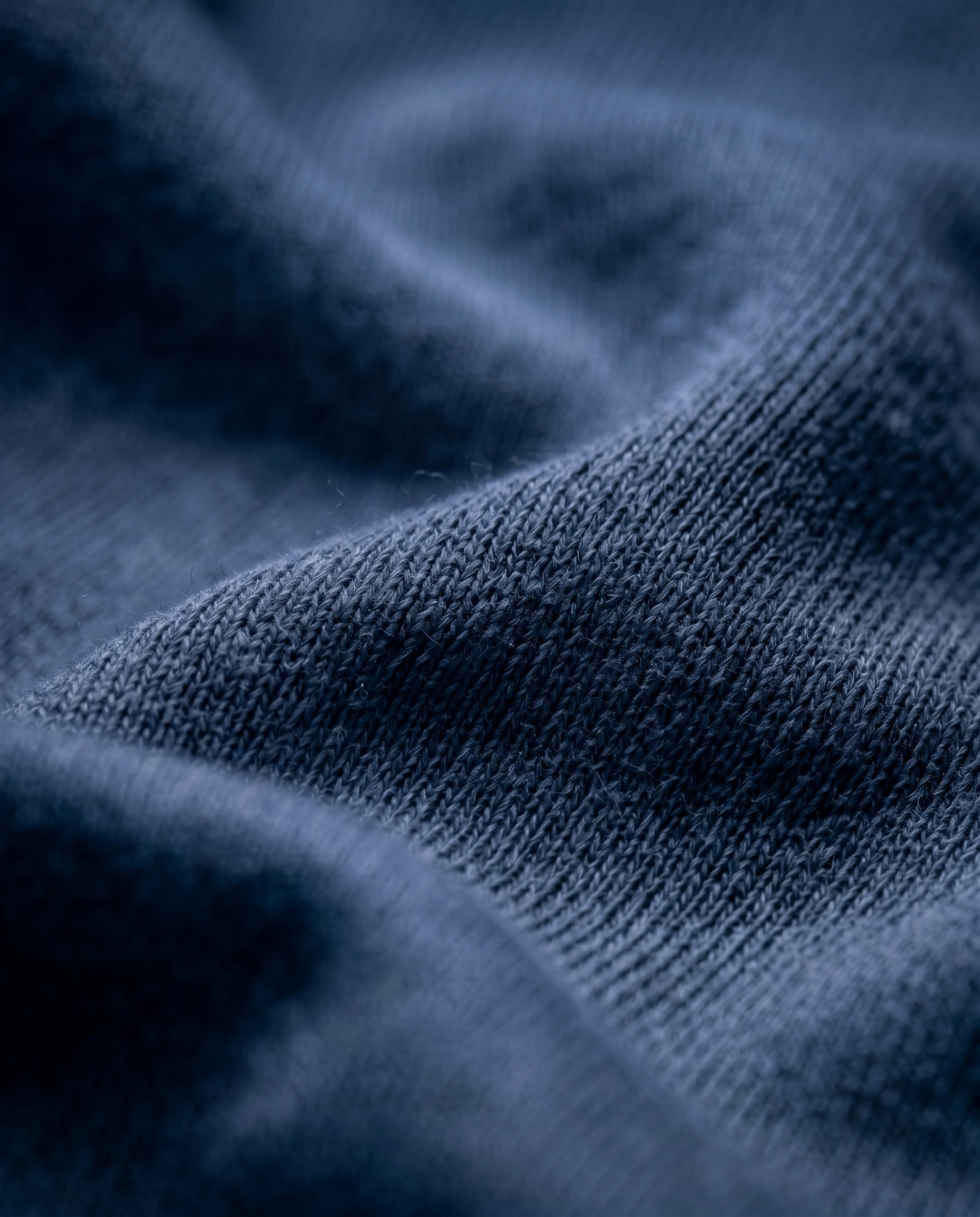
Our recycled fabric is made from two inputs: pre-consumer cotton waste from industrial cutting floors and PET scrap from plastic bottles. Ordinarily recycled cotton has a shorter staple length resulting in rougher fabrics. However, at Ecojay, we process them together using a proprietary knitting method - patent pending - which produces thinner yarn and tighter knits resulting in premium softness and durability.
No new cotton was grown to make this garment. No dyes were used to colour it.
What GRS means
Independently verified, not self-declared.
GRS - the Global Recycled Standard - certifies that the recycled content in a product is genuine and traceable. It covers the full chain of custody from reclaimed material through to finished garment, including social and environmental processing requirements at every stage.
Our certification is verified independently by Intertek. The certificate number is available upon request.
Manufacturing chain
Stage
Process
Location
Standard
Cotton Reclaim
Pre-consumer textile waste collected from industrial cutting floors. Zero virgin cotton.
Factories across South India
GRS Certified
PET Reclaim
Post-consumer plastic bottles processed into recycled fibre
Tiruppur, India
GRS Certified
Blending & Spinning
Proprietary process. Patent pending.
Our factory
GRS Certified
Dyeing
Zero dyes.
Our Factory
GRS Certified
Cutting & Sewing
Cut to spec. Double stitched at stress points.
Our factory
GRS Certified
Finishing
Hand-finished seams. QC inspection.
Our Factory
GRS Certified
| Stage | Process | Location | Standard |
|---|---|---|---|
| Cotton Reclaim | Pre-consumer textile waste collected from industrial cutting floors. Zero virgin cotton. | Factories across South India | GRS Certified |
| PET Reclaim | Post-consumer plastic bottles processed into recycled fibre | Tiruppur, India | GRS Certified |
| Blending & Spinning | Proprietary process. Patent pending. | Our factory | GRS Certified |
| Dyeing | Zero dyes. | Our Factory | GRS Certified |
| Cutting & Sewing | Cut to spec. Double stitched at stress points. | Our factory | GRS Certified |
| Finishing | Hand-finished seams. QC inspection. | Our Factory | GRS Certified |
01
What is EcoJay's Recycled Polycotton made from?
01
What is EcoJay's Recycled Polycotton made from?
02
Why is recycled cotton difficult to work with?
02
Why is recycled cotton difficult to work with?
Pre-consumer cotton waste yields shorter, inconsistent fibres. Standard yarn-making produces a coarser result that's prone to pilling, breakage, and shrinkage which is why most recycled cotton fabrics feel inferior to virgin cotton. This is the problem EcoJay's manufacturing process was developed to solve.
03
What makes EcoJay Recycled Polycotton different from other recycled cotton garments?
03
What makes EcoJay Recycled Polycotton different from other recycled cotton garments?
A patent-pending manufacturing process, covering proprietary yarn construction and knitting structure, enables thinner yarn and a tighter knit from recycled cotton fibres. The result matches conventional cotton in softness and durability at commercial scale. This hasn't previously been achieved with 100% reclaimed inputs.
04
Is EcoJay Recycled Polycotton certified?
04
Is EcoJay Recycled Polycotton certified?
Tested for screen printing, DTG, embroidery, and heat transfer compatibility. Our manufacturing process ensures a stable, even surface that performs comparably to conventional fabric.
05
How does the fabric perform for print and embroidery decoration?
05
How does the fabric perform for print and embroidery decoration?
Tested for screen printing, DTG, embroidery, and heat transfer compatibility. Our manufacturing process ensures a stable, even surface that performs comparably to conventional fabric.
06
How does the softness hold up after washing?
06
How does the softness hold up after washing?
Our finishing process doesn't use synthetic softener coatings, which means it doesn't wash out. Garments are tested for wash fastness and dimensional stability across repeated machine wash cycles.
